August 1, 2026
Maintaining a fully functional plumbing network requires homeowners to pay close attention to the daily waste management practices executed inside their kitchens and bathrooms. While water lines are engineered to handle liquid disposal seamlessly, many families treat their sinks, toilets, and floor drains like universal garbage disposal containers. This careless disposal of solid waste and chemical substances creates a highly destructive environment inside subterranean sewer pipes over time. Eventually, these bad household routines cause thick build-ups, chemical scaling, and massive structural pipe occlusions. Understanding how your daily habits contribute to an expensive, messy drain blockage prevents sudden backup emergencies.
1. Pouring Cooking Greases Down Kitchen Sinks
Dumping hot cooking fats, melted butter, and liquid frying oils directly into your kitchen sink basin creates a major foundation for severe plumbing failures. When these liquid lipids are warm, they flow smoothly through the plastic basket strainer, appearing to vanish into the sewer system without causing any immediate harm. However, as soon as the greasy liquids touch the cold cast-iron or PVC pipes hidden underground, they cool down and solidify into a thick, waxy paste. This sticky grease layer traps passing food crumbs, coffee grounds, and soap scum, creating an impenetrable fatberg over time. Avoiding this greasy habit prevents a massive drain blockage deep inside your home’s main sewer line.
2. Flushing Fibrous Personal Care Wipes Daily
Disposing of personal hygiene products, facial tissues, and thick cotton makeup pads down the toilet bowl represents a highly destructive habit that destroys sewer lines. Many commercial manufacturers market their personal hygiene products as completely flushable, giving consumers a false sense of security regarding their plumbing safety. In reality, these thick synthetic fabrics do not disintegrate rapidly in water as standard biodegradable toilet paper does. Instead, they remain completely intact as they travel through the curved toilet trap, catching on rough pipe joints and calcified tree roots. This accumulation of woven fibers creates an immediate, stubborn drain blockage that forces raw sewage back into your home.
3. Allowing Loose Hair Strands Into Shower Drains
Neglecting to install protective mesh drain strainers over your shower and bathtub basin openings allows thousands of loose hair strands to slide into your plumbing monthly. As people shampoo and condition their hair, hundreds of long, flexible strands detach and slip down the open drain pipe unnoticed. Once inside the dark P-trap assembly, these lightweight fibers wrap tightly around the mechanical stopper linkages and rough interior metal seams. The tangled hair web acts like an internal fishing net, trapping thick soap residue, body exfoliants, and dead skin cells. This expanding hairball completely chokes off the water flow, creating a frustrating drain blockage that floods your bathroom floor.
4. Overloading Food Waste Garbage Disposals
Cramming large quantities of starchy, fibrous, or dense food scraps into your motorized kitchen sink disposal unit causes severe plumbing congestion downstream. Many homeowners mistake their mechanical disposal unit for a powerful blender, tossing in potato peels, celery stalks, pasta, eggshells, and heavy corn husks indiscriminately. While the sharp metal impellers can chop these food items into a fine pulp initially, these specific organic materials expand rapidly when saturated with water. The sticky, target-rich slurry settles into the horizontal branch lines, drying into a cement-like plug that stops water completely. Restricting what you put down your disposal prevents a complex kitchen drain blockage.
5. Disposing of Excess Powdered Detergents Carelessly
Measuring out excessive portions of powdered laundry soaps and dishwasher detergents creates a hard, calcified rock layer inside your wastewater lines. Modern consumers frequently utilize twice the volume of detergent recommended by appliance manufacturers, assuming that extra soap results in cleaner clothing and dishes. This excess undissolved powder combines with the minerals present in hard water, undergoing a chemical saponification process that creates hard soap scum deposits. These chemical layers restrict the internal diameter of your plastic drain lines, catching passing organic waste particles easily. This slow, chemical accumulation eventually triggers a dense, rock-hard drain blockage that requires professional hydro-jetting to clear out completely.
6. Connecting Large-Scale Municipal Water Challenges
Understanding how individual household plumbing habits connect with broader public wastewater infrastructure highlights the importance of implementing responsible waste-disposal practices across your community. When thousands of individual homeowners dump greases and synthetic fibers down their pipes simultaneously, the municipal sewer lines become severely overwhelmed. According to Business Research Insights, the global stormwater management market is valued at more than $20.92 billion as of 2026. This immense public investment is necessary because private line misuses spill out into public storm networks, compounding city-wide infrastructure strain. Preventing an individual drain blockage keeps your local municipal wastewater management systems running efficiently.
7. Washing Sticky Construction Adhesives Away
Cleaning paintbrushes, drywall mud knives, and sticky grout buckets inside your residential utility sink introduces heavy sediment particles that settle permanently inside your traps. Many DIY homeowners wash wet plaster, joint compounds, and water-based latex paints down the drain, assuming the liquid water will flush the debris out into the main street sewer. However, these construction compounds are engineered to cure and harden when exposed to moisture, meaning they quickly sink to the bottom of horizontal pipes. This heavy sediment layer builds up along the bottom half of the pipe, turning into a solid rock barrier that stops water flow, causing a permanent drain blockage.
8. Flushing Sticky Chemical Prescription Medications
Dumping liquid prescriptions, expired chemical pills, and thick medicated ointments down the bathroom sink introduces hazardous chemical residues that corrode delicate metal plumbing joints. While these active chemical compounds do not cause immediate physical obstructions like hair or grease do, they react aggressively with soap scum and mineral deposits. This chemical interaction forms a highly corrosive, sticky film that eats away at brass and copper drain pipes, roughening the smooth interior walls. This rough texture catches passing toilet paper and solid waste particles easily, accelerating the formation of a massive, expensive drain blockage that requires major structural pipe replacement.
9. Neglecting Regular Professional Preventive Maintenance
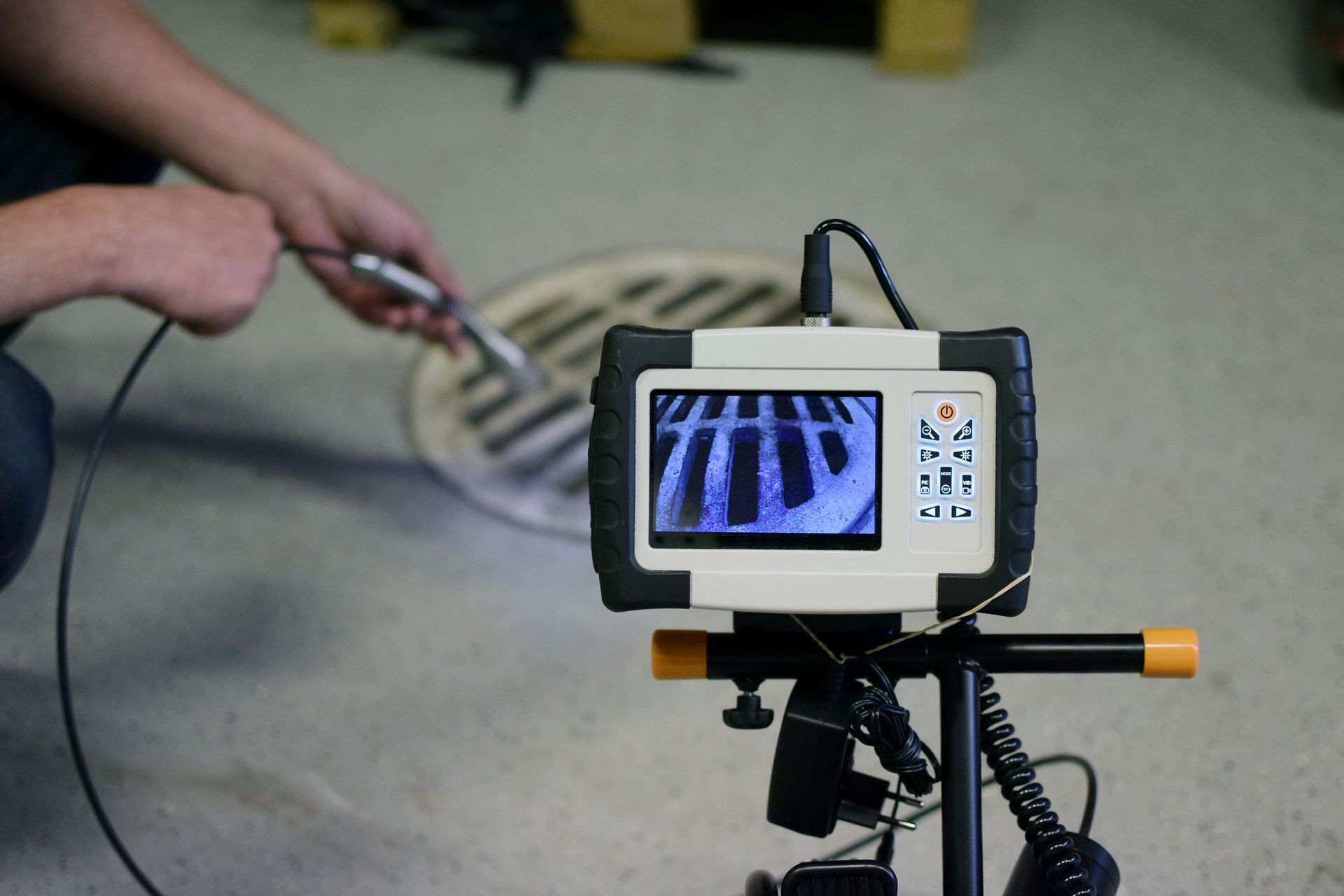
Ignoring minor plumbing warning signs like gurgling sounds, foul sink odors, and slow-draining water lines invites catastrophic structural backup emergencies later down the road. Many homeowners wait until a pipe overflows completely before thinking about their drain health, bypassing simple preventive cleaning steps that keep lines clear. Pouring commercial chemical cleaners down a slow pipe often exacerbates the issue, as aggressive acids can damage older metal pipes and worsen chemical clogs. Arranging regular professional drain inspections allows plumbers to locate small grease deposits early, removing them safely before they evolve into a complete, destructive drain blockage.
Eradicating careless waste disposal habits inside your household is the single most practical method to ensure your plumbing infrastructure remains clear, safe, and efficient for years. From avoiding pouring cooking grease down your kitchen sink to installing fine-mesh hair strainers in your showers, simple adjustments protect your sewer main. Neglecting these essential maintenance boundaries invites foul odors, expensive emergency plumbing fees, and hazardous raw sewage backups that ruin your home’s structural finishes. By implementing responsible daily waste habits and scheduling regular professional plumbing diagnostics, you protect your real estate asset, maintain smooth water flow, and prevent a stressful drain blockage. Are you seeking drain solutions in the Chicago, IL area? The team at Bubba, Wayne & Tim Sewer Service Inc is ready to assist! Call today to schedule a service appointment and more.