May 27, 2026
For many homeowners, the sewer system is an out-of-sight, out-of-mind component of their property, yet it is arguably one of the most vital systems for daily functionality and comfort. That importance becomes even clearer when you consider the scale behind it.
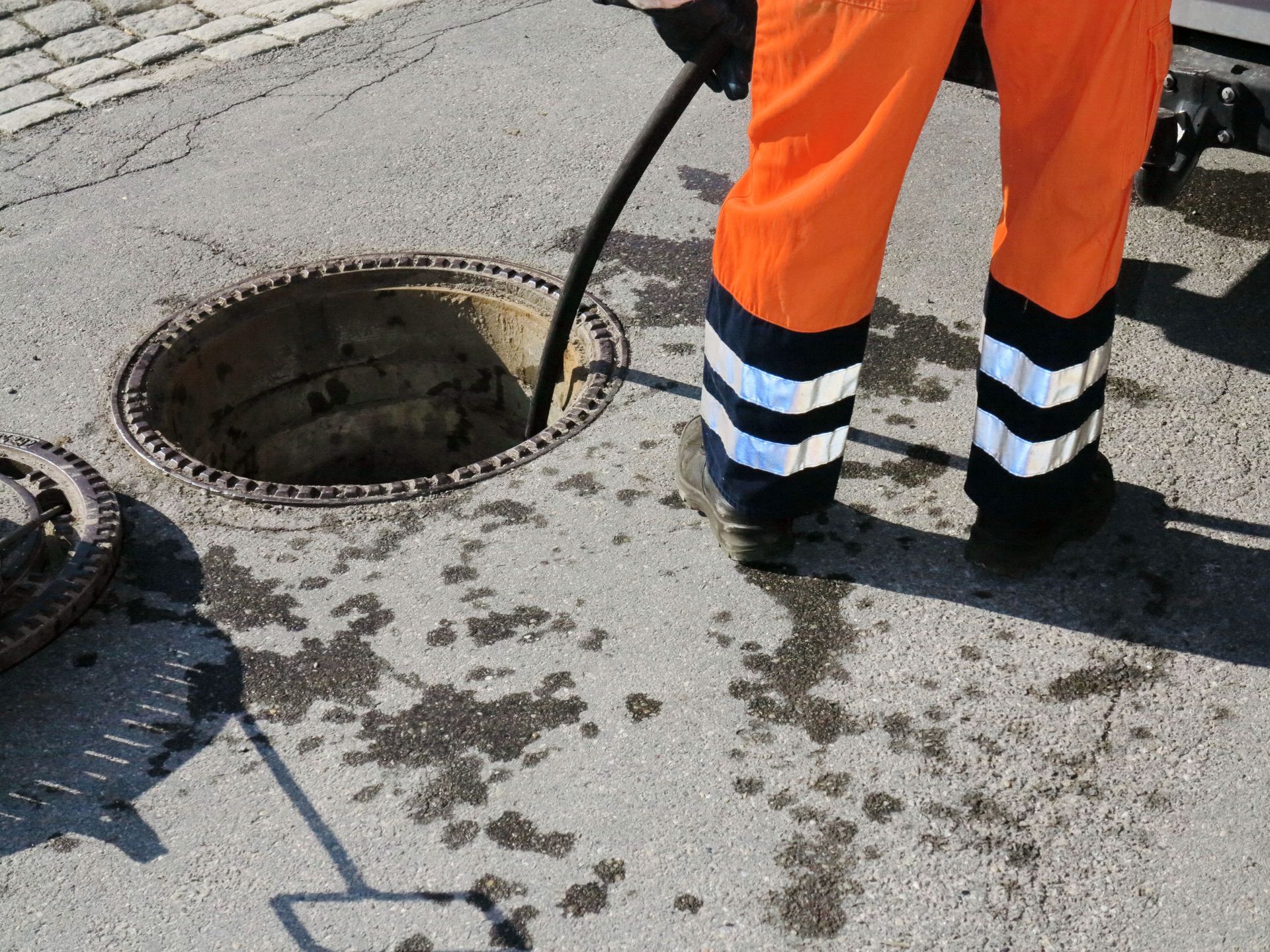
According to Municipal Sewer & Water, the U.S. sewer system is a sprawling network of over 700,000 miles. With so much infrastructure beneath homes and communities nationwide, routine sewer inspections are a critical safeguard against unexpected failures, costly repairs, and the serious health hazards associated with wastewater backups. Access to reliable sewer services helps ensure these systems are properly maintained and inspected.
Rather than waiting for a plumbing catastrophe, a proactive maintenance strategy ensures your home’s underground infrastructure remains in peak condition year-round. This article explores the recommended frequency for sewer inspections, the various environmental and structural factors that influence this schedule, and how staying informed can help you avoid the stress of a sudden system failure.
Identifying Potential Issues Early
Regular sewer inspections are crucial for identifying potential issues before they escalate into significant problems. By detecting blockages, leaks, or structural weaknesses early, homeowners can address these issues promptly. This proactive approach can prevent small problems from becoming costly repairs or causing significant damage. Moreover, identifying issues early can ensure the continued functionality of the sewer system, which is essential for the smooth operation of household plumbing. As a result, regular inspections help maintain the home's overall health. Routine sewer services can help detect these issues even earlier.
Preventing Costly Repairs
Preventing costly repairs is one of the primary benefits of regular sewer inspections. When issues are detected early, they can often be resolved with minimal expense, avoiding the need for extensive repairs. For example, a minor blockage can be cleared before it leads to sewer backups that require major plumbing work. Investing in regular inspections can save homeowners significant amounts of money in the long term. This cost-effective approach is especially important in maintaining older properties with aging sewer systems.
Ensuring Health and Safety
Sewer inspections play a vital role in ensuring the health and safety of a home’s occupants. A malfunctioning sewer system can lead to sewage backups, which pose serious health hazards due to the presence of harmful bacteria and pathogens. Regular inspections help prevent these issues by ensuring the sewer system is functioning properly. Additionally, maintaining a well-functioning sewer system minimizes the risk of unpleasant odors and environmental contamination. Therefore, regular inspections contribute to a safer and healthier living environment. Professional sewer services also support ongoing system safety and sanitation.
Scheduling an Inspection Based on the Age of the Property
The age of a property is a significant factor influencing the frequency of sewer inspections. Older homes often have outdated plumbing systems that are more prone to issues such as corrosion and blockages. As a result, these properties may require more frequent inspections to ensure the sewer system remains in good condition. Conversely, newer constructions with modern plumbing systems may not need inspections as frequently. Nevertheless, even new homes should undergo periodic inspections to catch any potential issues early.
Identifying Types of Sewer Systems
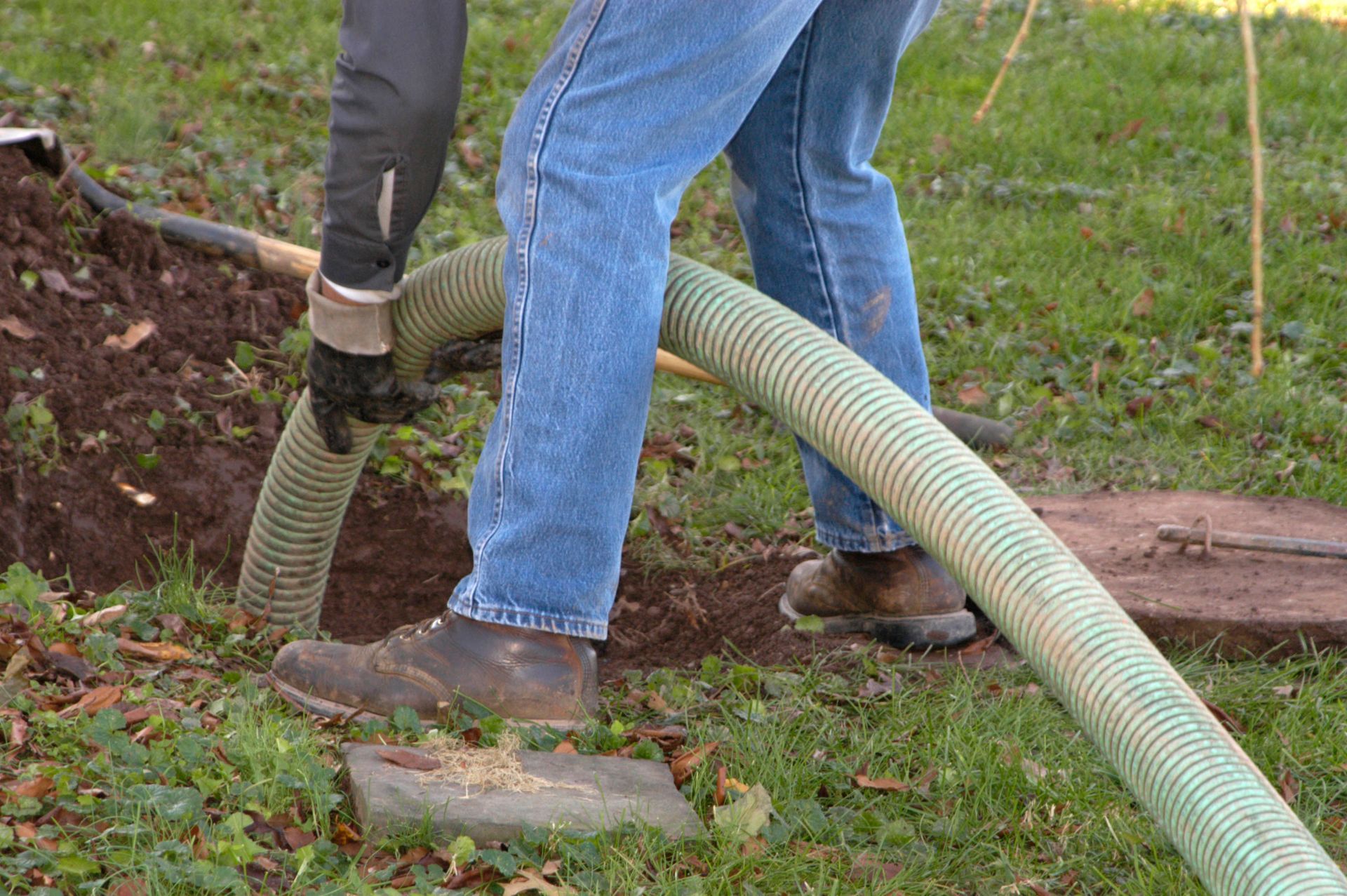
The type of sewer system in a property also affects how often inspections should be conducted. Some systems, such as septic systems, require different maintenance and inspection schedules than municipal sewer connections. Septic systems, for instance, need regular inspections to ensure the tank is functioning properly and to prevent overflow. Homeowners should be aware of the specific requirements for their sewer system type to maintain optimal performance. Understanding these differences can help in scheduling appropriate inspections. Different properties require tailored sewer services depending on system type.
Understanding Local Regulations and Guidelines
Local regulations and guidelines can also dictate the frequency of sewer inspections. Many municipalities have specific requirements for sewer maintenance and inspections to ensure public health and safety. Homeowners should familiarize themselves with these regulations to comply with local laws and avoid potential fines. Additionally, adhering to these guidelines can help prevent sewer system issues that could lead to costly repairs. Staying informed about local requirements is crucial for maintaining a well-functioning sewer system.
Inspecting Older Homes Annually
For older homes, annual sewer inspections are highly recommended to maintain the integrity of the plumbing system. These inspections help detect issues related to aging pipes, such as corrosion and root intrusion, which are more common in older properties. Regular inspections ensure that problems are identified and addressed promptly, preventing major disruptions. By investing in annual inspections, homeowners can extend the lifespan of their sewer system and avoid unexpected failures. Older properties especially benefit from scheduled sewer services to avoid major failures.
Checking for New Constructions
Newly constructed homes generally have more robust plumbing systems, but bi-annual checks are still advisable to ensure everything is functioning correctly. These inspections help identify potential construction defects and early-stage issues in new systems. Regular checks provide homeowners with peace of mind, knowing their sewer system is in top condition. Additionally, bi-annual inspections can prevent minor problems from developing into major issues, saving time and money in the long run. This maintenance strategy is key to preserving the efficiency of new constructions.
Assessing Post-Storm Damage
Severe weather events can significantly impact sewer systems, making post-storm assessments crucial. Heavy rains and flooding can lead to overburdened sewer lines and potential damage. Inspecting the sewer system after a storm ensures any issues are identified and resolved quickly to prevent further complications. These assessments are essential for maintaining the integrity of the sewer system and preventing environmental contamination. By conducting post-storm assessments, homeowners can safeguard their properties against weather-related sewer problems. Post-storm evaluations are often included in emergency sewer services to prevent hidden damage.
Calling in the Professionals
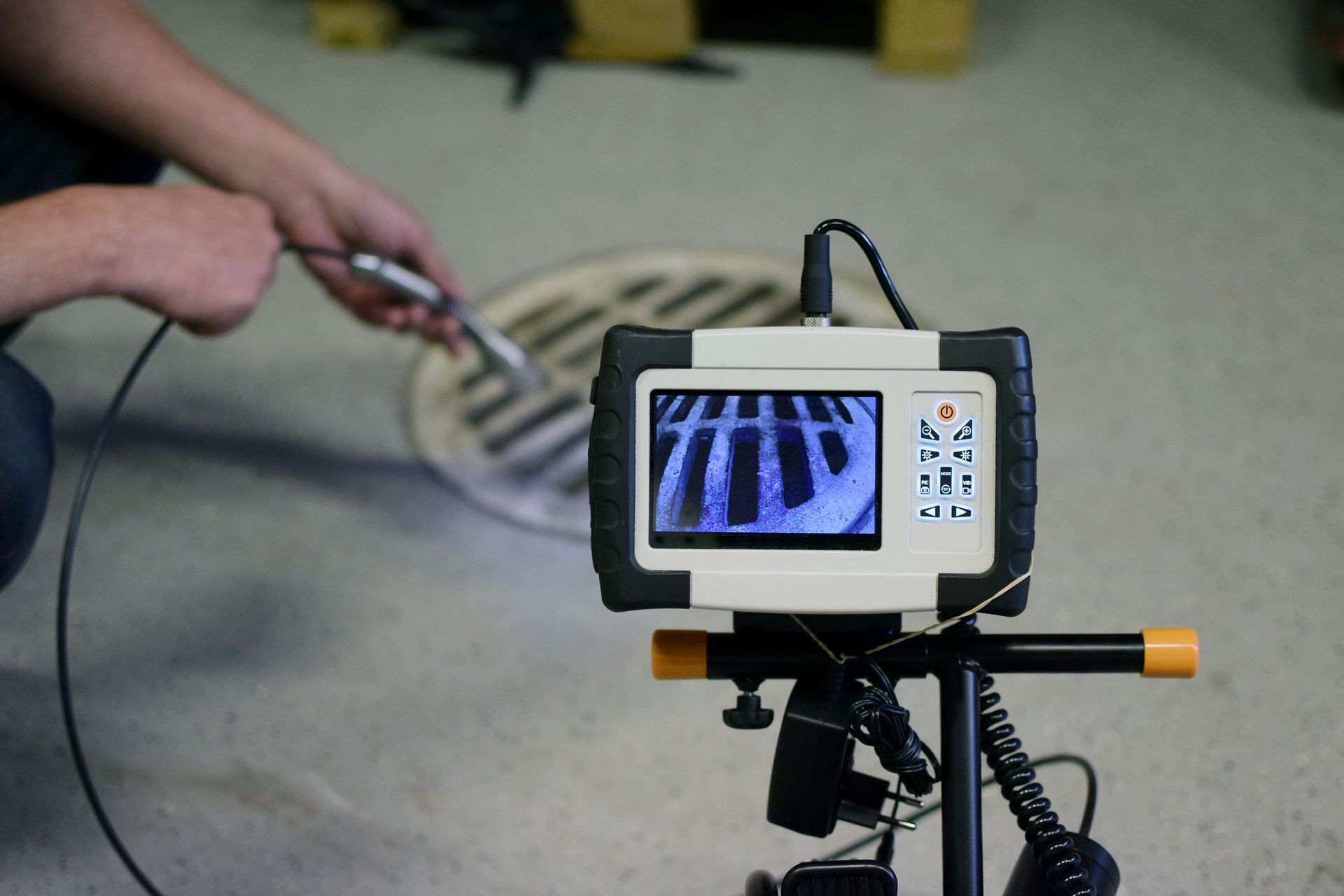
Professional sewer inspections are recommended when homeowners suspect significant issues or when routine checks reveal potential problems. Professionals use advanced tools and technologies, such as CCTV cameras, to conduct thorough inspections and identify hidden issues. Calling in professionals ensures a comprehensive assessment of the sewer system, providing peace of mind and preventing costly repairs. Moreover, professional inspections are essential when dealing with complex systems or when local regulations require certified assessments. Knowing when to seek professional help is vital for effective sewer maintenance.
Finding a Qualified Inspector
Finding a qualified sewer inspector is essential for ensuring a thorough and accurate assessment. Homeowners should seek inspectors with certifications and experience in conducting sewer inspections. Recommendations from neighbors, online reviews, and local directories can help identify reputable professionals. It is also important to verify the inspector's credentials and ask about the technologies they use during inspections. By selecting a qualified inspector, homeowners can ensure their sewer system is evaluated by an expert, leading to better maintenance outcomes. Working with trusted sewer services ensures the inspection is accurate and reliable.
Preparing Your Property
Proper preparation of the property is crucial for facilitating an efficient sewer inspection. Homeowners should ensure that access points to the sewer system are clear and accessible for the inspector. Removing obstacles and providing information about previous sewer issues can help the inspector conduct a more comprehensive assessment. Additionally, understanding the layout of the sewer system and any recent maintenance can provide valuable context for the inspection. By preparing the property adequately, homeowners can help ensure a smooth and effective inspection process.
Understanding the Inspection Process
During a sewer inspection, homeowners can expect the inspector to use various tools and technologies to assess the condition of the sewer system. The inspector will typically begin by conducting a visual inspection of accessible areas before using CCTV cameras to examine the interior of pipes. Homeowners may receive real-time feedback on any issues identified during the inspection.
Once the inspection is complete, the inspector will discuss findings and recommend any necessary repairs or maintenance. Understanding what to expect can help homeowners prepare for the inspection and address any concerns promptly. Many homeowners choose professional sewer services to ensure the inspection process is thorough and accurate.
Regular sewer inspections should be a key part of home maintenance to prevent unexpected failures and maintain a safe living environment. By understanding the various factors that influence inspection schedules and utilizing both DIY and professional resources, homeowners can ensure their sewer systems are functioning optimally. Homeowners looking for dependable sewer inspection and maintenance services can turn to Bubba, Wayne & Tim Sewer Service Inc for experienced support and thorough solutions that help protect their property year-round.